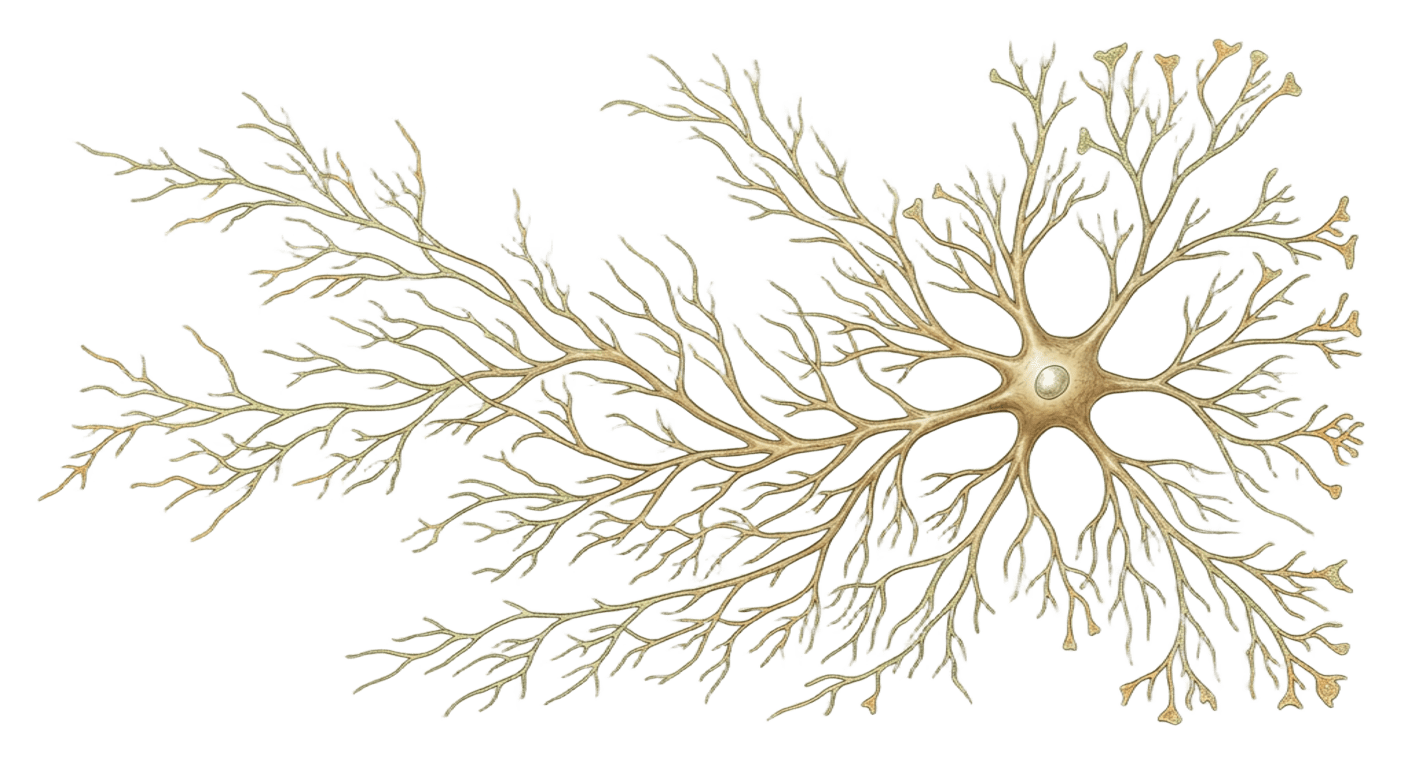
Astrocytic GLUT1 & glucose uptake
How altered glucose transport in astrocytes affects brain energy balance and contributes to neurodegeneration.
through astrocyte metabolism
Exploring how astrocytic metabolic signalling shapes the neuronal environment in the early stages of neurodegeneration.

A leading neurodegenerative disorder in which early metabolic changes may contribute to neuronal dysfunction long before memory loss appears.

Glial cells positioned between blood vessels and neurons, acting as metabolic sensors and active regulators of brain energy balance.

A coordinated multicellular process in which neurons, astrocytes and other brain cells work together to sustain function and resilience.
How altered glucose transport in astrocytes affects brain energy balance and contributes to neurodegeneration.
Whether astrocytes enter an early hypermetabolic state before the hypometabolism observed in advanced Alzheimer's disease.
Identifying metabolic changes in brain tissue, cerebrospinal fluid and blood that may reveal disease before symptoms appear.
Developing new therapeutic approaches by targeting astrocyte metabolism and related signalling pathways.
Understanding how impaired insulin signalling in astrocytes disrupts energy homeostasis and accelerates disease progression.

I receive the prestigious European Research Council Consolidator Grant.
I receive the prestigious grant from the Pasqual Maragall Foundation.
We publish the group’s first major paper on astrocytic GLUT1, establishing ourselves as a key research group in the study of astrocyte metabolism.
I obtain my second grant from the Spanish Ministry.
receive my first international grant from the Brain & Behavior Research Foundation (NARSAD).
After a long struggle, I obtain my first competitive research project funded by the Spanish Ministry. This marks the beginning of my first study on the impact of astrocytic metabolic changes in Alzheimer's Disease
I begin my journey as Principal Investigator (PI) of my own research group
 Active
Alzheimer's disease (AD) represents a growing public health challenge, with its prevalence steadily increasing profoundly affecting both patients and their…
€2.000.000 Active
Astrocytes are brain cells that help, support and protect neurons, ensuring the brain functions properly by providing energy and defending…
€800.000 Active
The crucial role of brain insulin action in the regulation of systemic metabolism, energy balance, and glucose homeostasis, as well…
€312.500 Completed
The availability of glucose in the central nervous system is essential for neuronal function, and brain glucose levels have been…
€190.000 Completed
This project investigates how insulin resistance in the brain may link age-related diseases such as type 2 diabetes and Alzheimer’s…
€63.000 Completed
Cerebral blood vessels are composed of endothelial cells that interact closely with astrocytes, regulating the transport of nutrients such as…
€196.262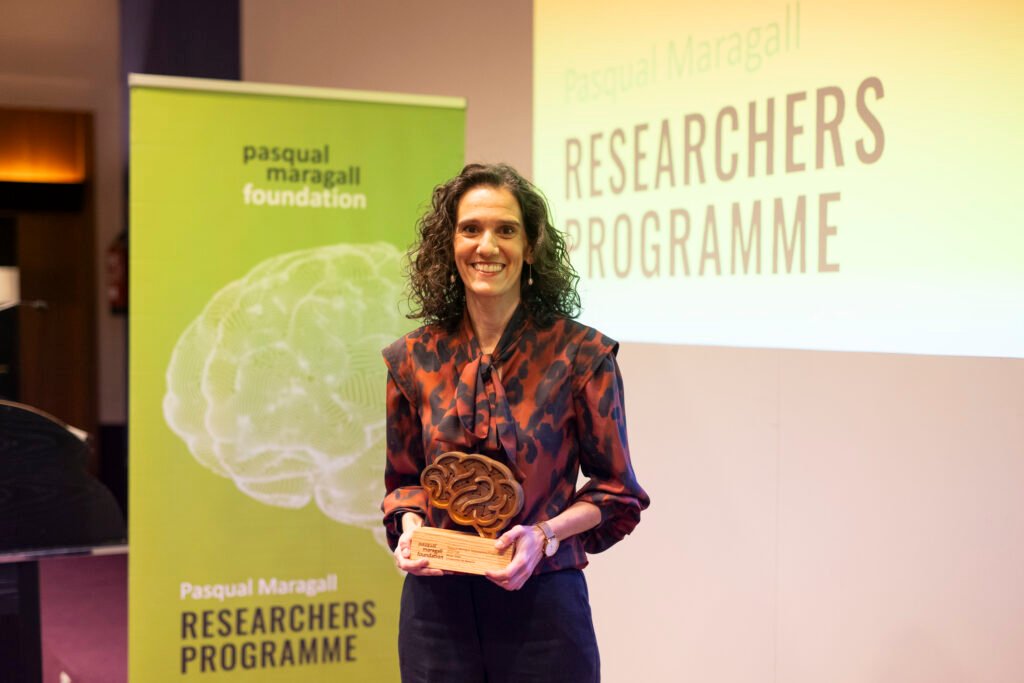 Latest
Maite Solas focuses her research on detecting early changes in Alzheimer's Disease and finding ways to slow its progression. Her work studies…

Maite Solas, a researcher and professor in the Department of Pharmaceutical Sciences at the University of Navarra, has received a grant from…
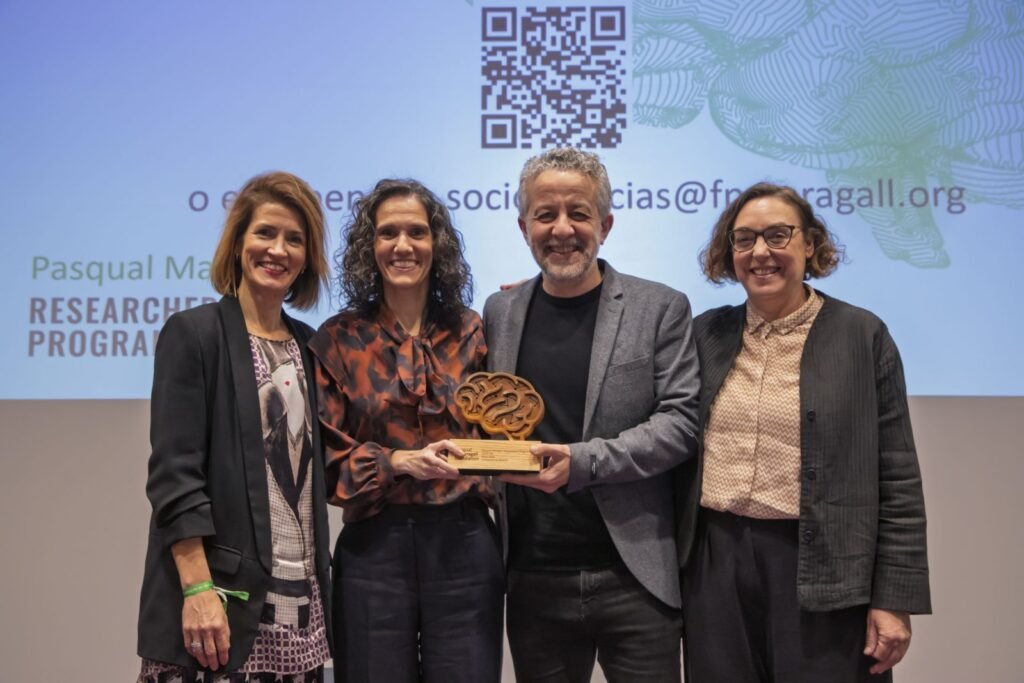
The Pasqual Maragall Foundation presented in Pamplona one of the selected projects from the third edition of the Pasqual Maragall Researchers Programme…
We are always looking for motivated students, postdocs, and collaborators passionate about neuroscience and brain metabolism. Reach out — good hypothesis start with a good conversations.